ABA Therapy, Speech Therapy & Occupational Therapy
Thoughtful, evidence-based services designed to help children build communication, independence, confidence, and everyday skills with support that feels personal and clear.
Comprehensive Care for Your Child
Every child develops in their own way, and the right support should reflect that. At Tiny Steps ABA, we offer ABA therapy, speech therapy, and occupational therapy with an individualized approach that focuses on meaningful progress in everyday life.
Some families come to us with a clear therapy recommendation, while others are still trying to understand which services may be the best fit. Our role is to help make that process more manageable, with care that feels thoughtful, practical, and collaborative from the start.

Applied Behavior Analysis (ABA)
ABA therapy helps children build communication, learning, social, and adaptive skills through individualized strategies guided by progress and real-life goals. Our approach is structured, but it is also personal. We focus on helping children strengthen meaningful skills that support daily life, connection, and independence.
- Communication and language development.
- Social interaction and play skills.
- Daily living and adaptive routines.
- Behavior support and functional skill building.

Speech Therapy
Speech therapy supports children who need help expressing themselves, understanding language, improving articulation, or developing stronger day-to-day communication skills. We work toward goals that help children communicate more clearly and confidently across home, school, and everyday settings.
- Expressive and receptive language support.
- Articulation and speech clarity.
- Functional communication goals.
- Social communication development.

Occupational Therapy
Occupational therapy helps children build the practical skills they need for everyday routines, sensory regulation, motor coordination, and greater independence. The goal is to support children in participating more comfortably and confidently in the activities that are part of daily life.
- Fine motor development.
- Sensory processing and regulation.
- Self-care and daily routines.
- Participation in home, school, and community tasks.
A collaborative approach to care
At Tiny Steps ABA, we believe good care should never feel disconnected. When a child benefits from more than one service, our goal is to make sure those therapies work together in a way that feels consistent and supportive. ABA therapy, speech therapy, and occupational therapy each address different parts of development, but they often overlap in meaningful ways.
By keeping communication clear and goals aligned, we help families feel more supported and help children practice skills across the areas that matter most in everyday life.
What families can expect
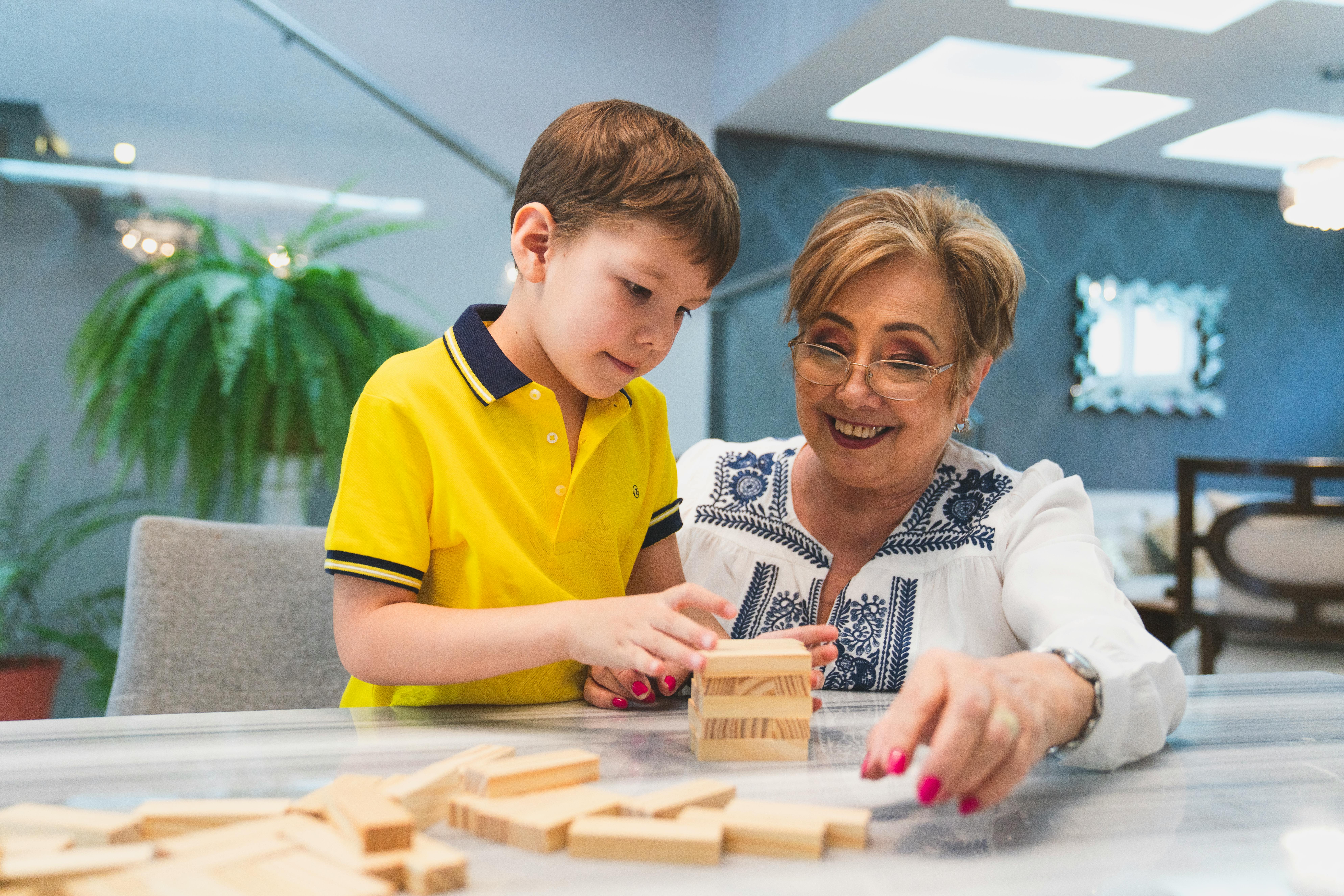
Starting therapy can come with a lot of questions, especially if this is your first experience navigating services. We aim to make the process feel more straightforward by listening closely, explaining next steps clearly, and building a plan that reflects your child’s needs rather than forcing a one-size-fits-all path.
Not sure which service is the right fit?
Some children benefit most from one primary service, while others may need support across several areas. If you are unsure where to begin, our team can help you understand the options, answer common questions, and guide you toward the next best step for your family.
Take the next step
Whether you are exploring ABA therapy, speech therapy, occupational therapy, or a combination of services, we are here to help you move forward with clarity.
Request an Assessment View Insurance Information